

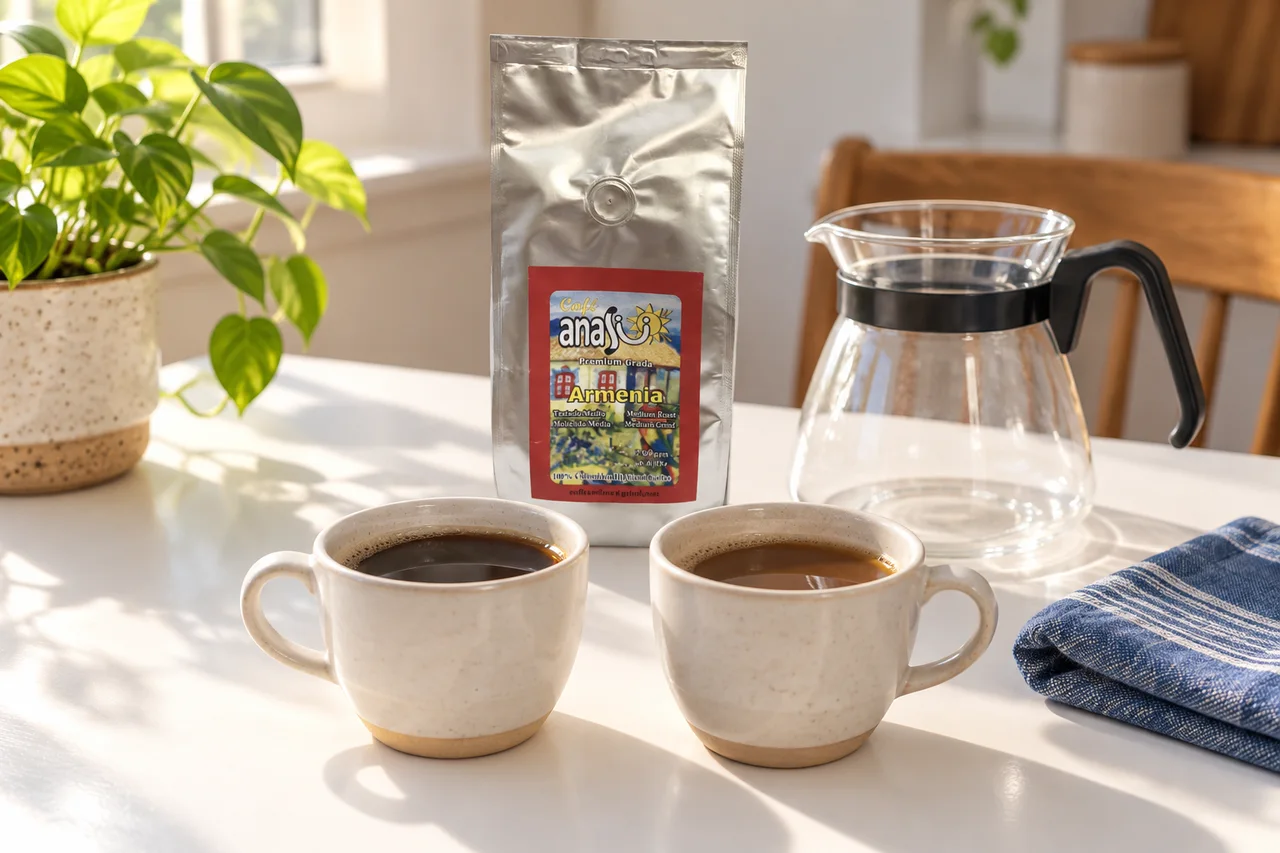
Why Does My Colombian Coffee Taste Bitter? A Troubleshooting Guide
Bitter Colombian coffee can reflect your roast preference, the brewing setup or the condition of your equipment. It is not proof that Colombian origin is the problem. Start by separating an overly concentrated drink from a flavor you simply do not enjoy, then change one thing at a time.
This checklist is for ordinary home brewing. It cannot diagnose a particular batch without its recipe and equipment details, and it does not promise that every bag will taste the same. The goal is to avoid throwing away a coffee you might enjoy with a small, sensible adjustment.
1. Describe the problem before changing the recipe
Write a short note: does the first sip taste overly intense, does the flavor seem smoky or heavily roasted, or is there an unpleasant lingering taste? Also note whether the problem appears immediately or only after the pot has been held for a while.
Let a small serving reach a comfortable drinking temperature. Add a little plain hot water to a separate sample, carefully. If you prefer the diluted sample, concentration may be part of the issue. If the unwanted flavor remains, simply pouring more water through the grounds next time may not address it.
2. Rule out yesterday’s coffee
Inspect the mug, carafe, basket and reusable filter. The National Coffee Association notes that accumulated coffee oils can contribute bitterness. Clean removable parts and maintain the brewer according to its instructions; use only cleaning products suitable for that machine. See its drip-coffee maintenance guidance.
After the prescribed rinse, make a normal fresh batch and taste it soon after brewing. Do not add a new bag, extra grounds and a different filter at the same time. You want to know whether the clean setup changed the cup.
3. Check measurements and flow
- Record coffee and water separately. “Two scoops” is difficult to compare unless you always use the same scoop, filled the same way. The ratio chart makes the calculation explicit.
- Check the filter placement. Make sure it fits the basket and has not folded over.
- Notice unusually slow brewing or overflow. Stop using an overflowing setup and follow the equipment instructions. Do not pack extra grounds into a filter beyond its capacity.
- Confirm the grind. If your pre-ground coffee does not suit the brewer, you cannot make the particles coarser afterward. Ask about the available grind before your next order.
4. Decide whether it is the roast you dislike
Dark and French roast labels describe a different roast style from medium. The NCA’s roast overview is useful context, but personal preference still decides what belongs in your cupboard.
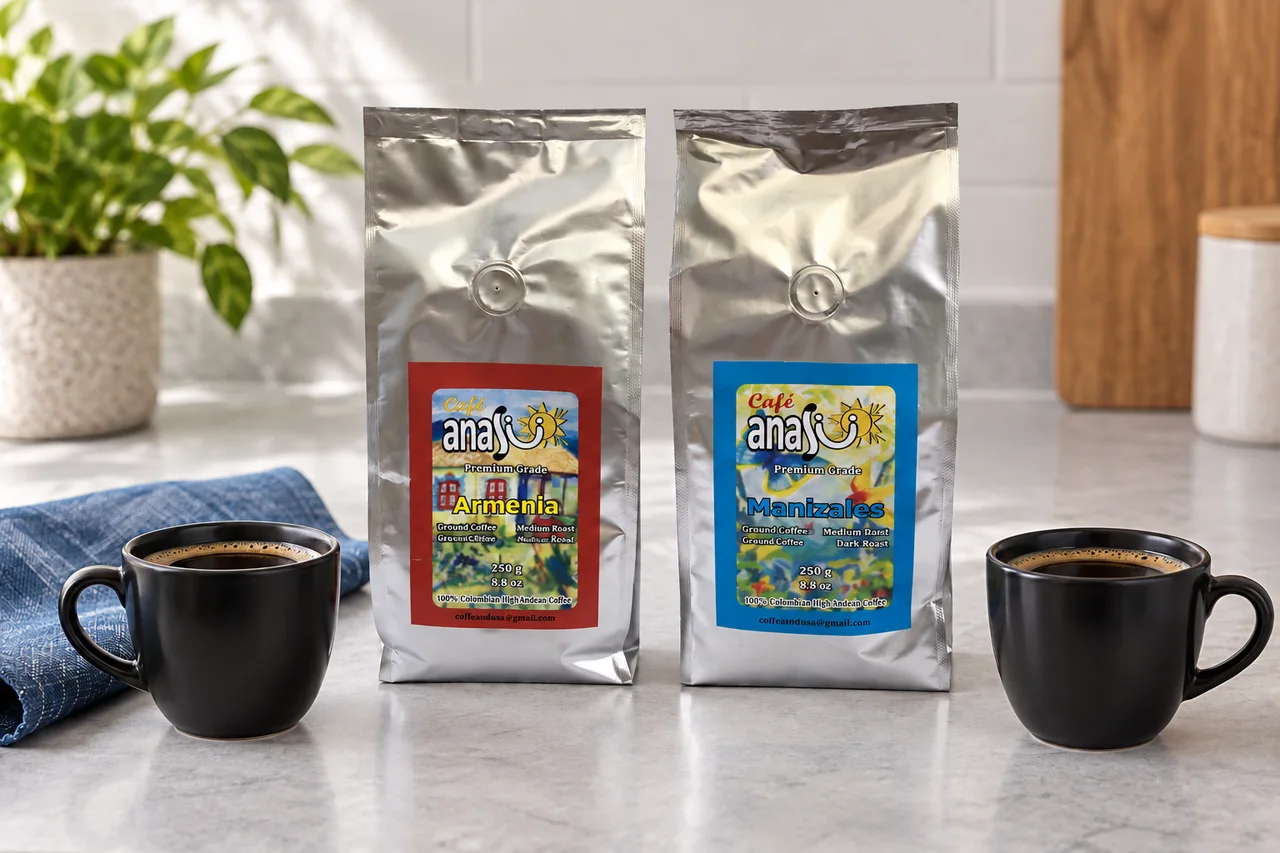
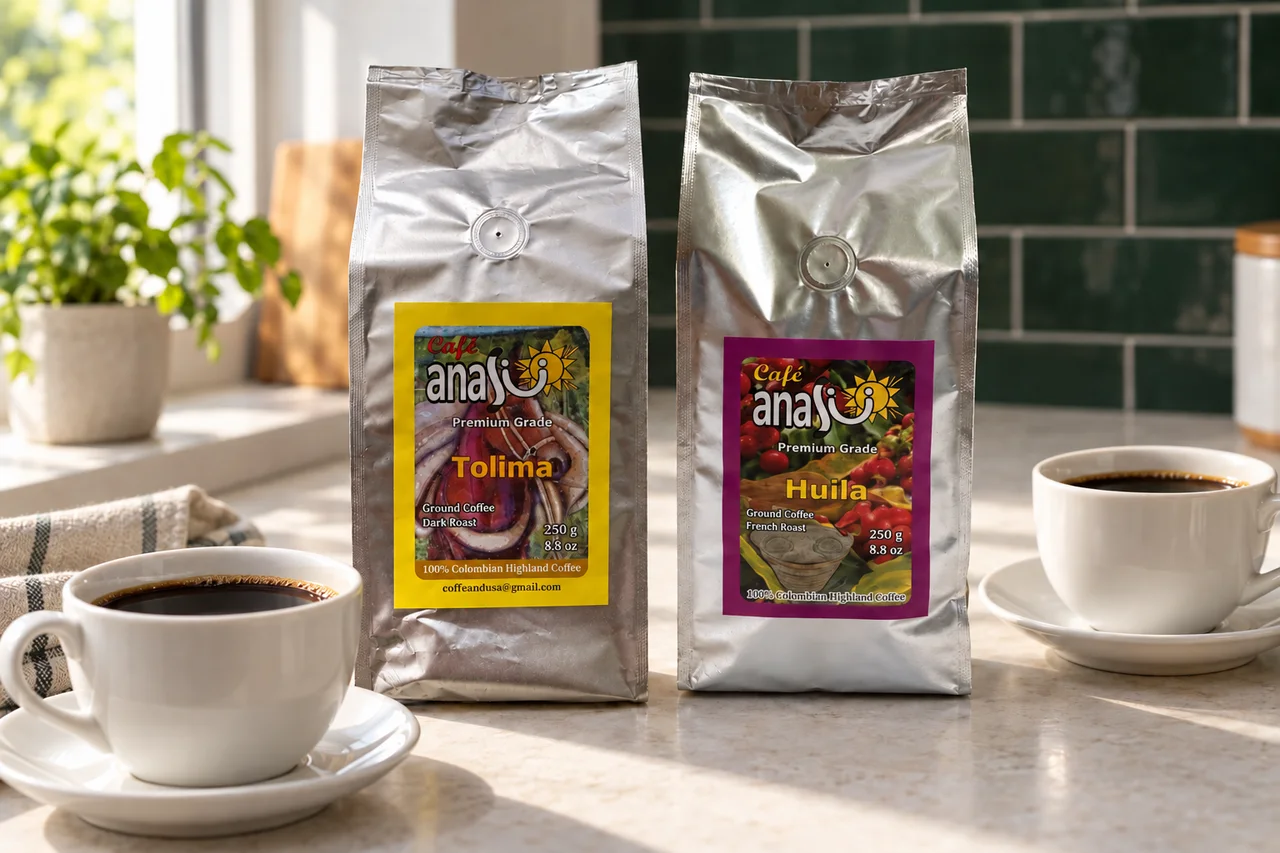
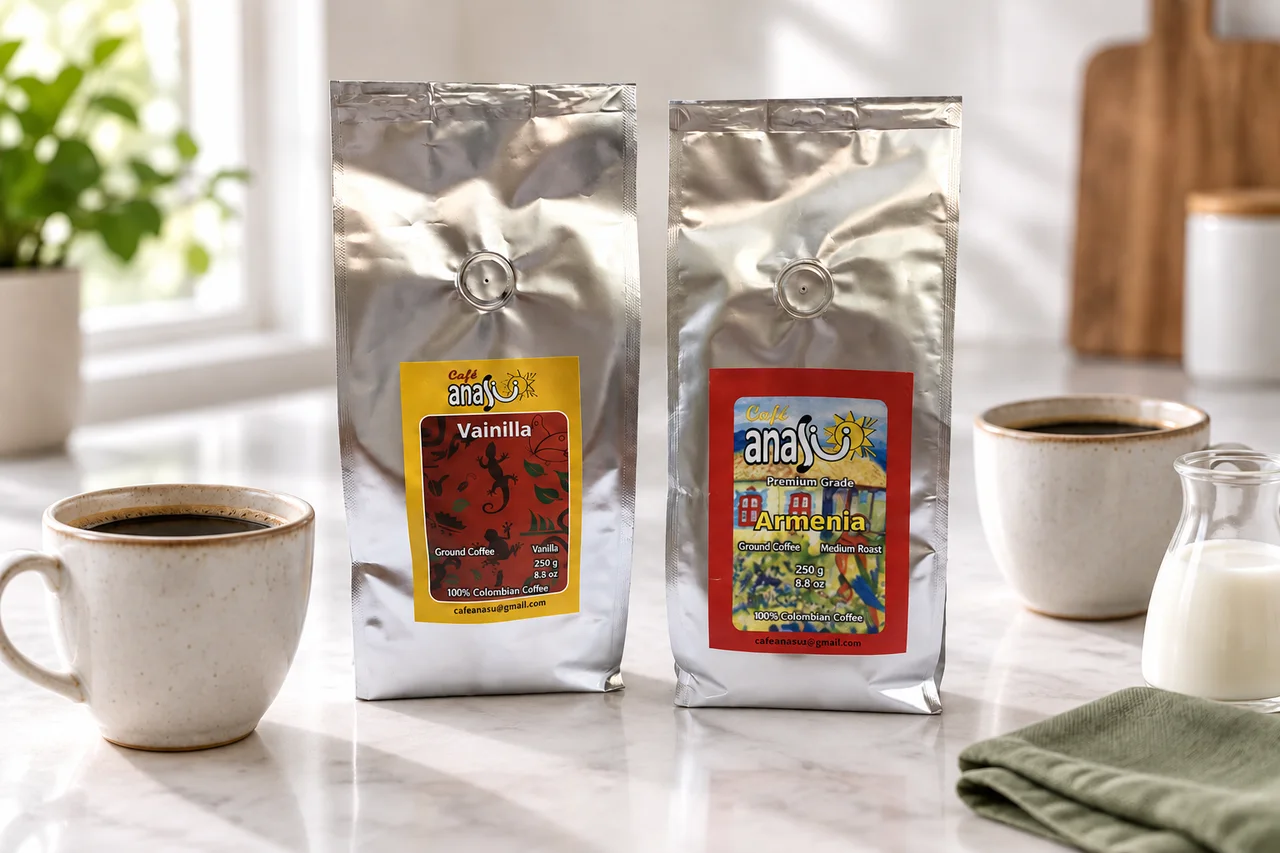
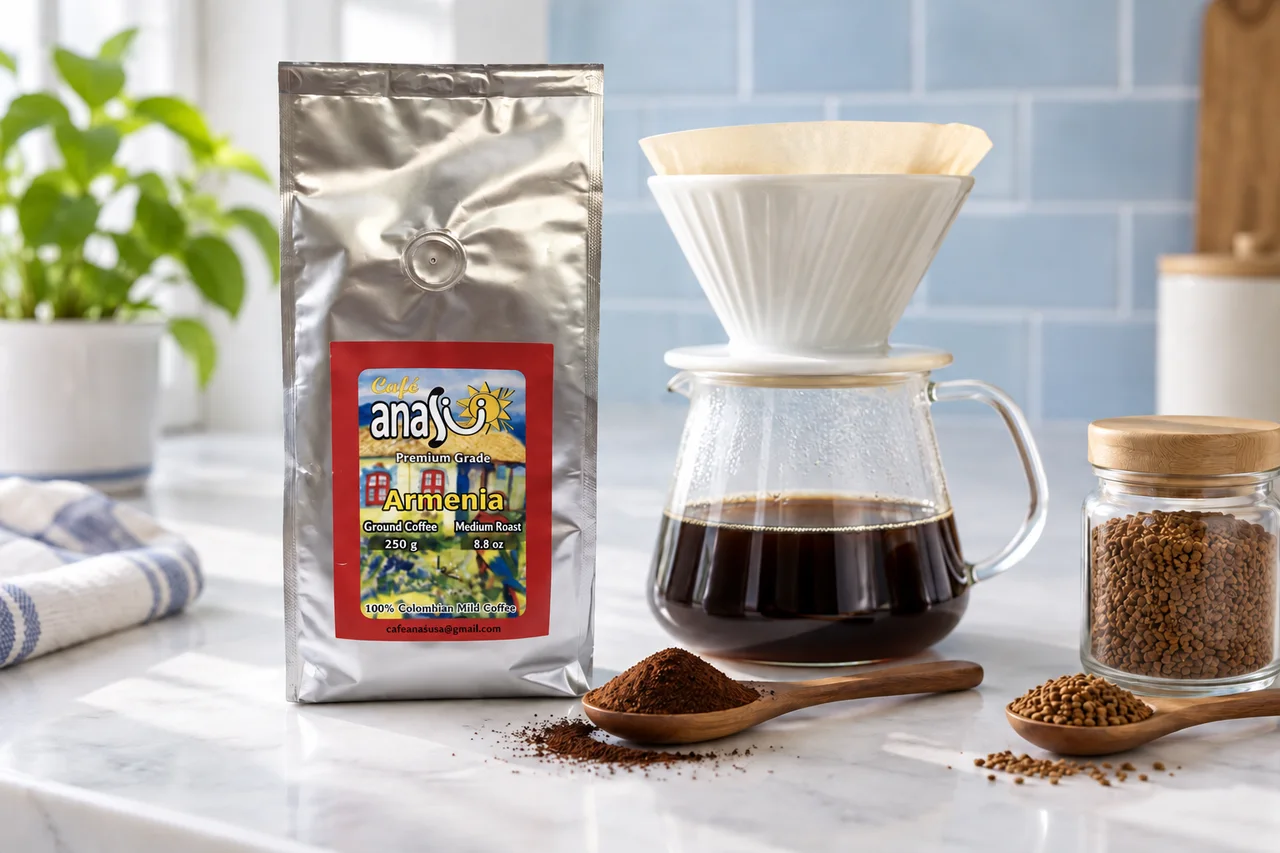
If you are using ANASU Huila French Roast or ANASU Tolima Dark Roast and consistently dislike the roast character after checking the setup, try a medium option such as ANASU Armenia Medium Roast or ANASU Santa Marta Mountain Medium Roast. This is a preference experiment, not a claim that dark roast is defective or that medium roast is bitterness-free.
A two-brew check you can repeat
On the first brew, use clean equipment and a measured version of your usual recipe. Record the result. On the second, change just one factor suggested by what you observed: concentration, a correctly matched grind, or the roast. Keep notes short enough that you will actually read them before the next batch.
For help choosing the next bag, shop ANASU ground coffee. Have the brewer model and your measurements ready when you call Phone Orders: (786) 786-4495; those details are more useful than simply asking for the strongest coffee.
By CoffeeAnd USA Team. Product listings and linked references checked October 8, 2026. Brewing amounts and pairing ideas are starting suggestions, not guaranteed results.
Sorry, the comment form is closed at this time.